Warm Minimalism: The Interior Design Trend That Brings Comfort, Simplicity, and Timeless Elegance
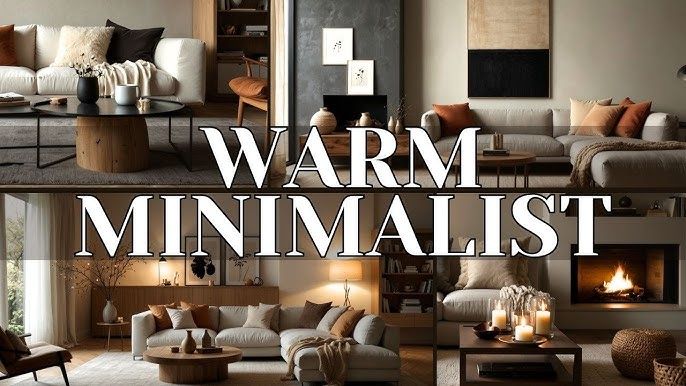
Warm minimalism is one of the most influential interior design trends of 2026, redefining how modern homes look and feel. It blends the simplicity of minimalism with the comfort of warm, natural elements, creating spaces that are both visually clean and emotionally inviting. Unlike traditional minimalism, which often feels cold or overly sterile, warm minimalism introduces softness, texture, and warmth to make interiors feel truly livable.
At its core, warm minimalism follows the philosophy of “less but better.” This means every object in a space is intentionally chosen, not just for appearance but for function and meaning. Instead of filling rooms with unnecessary décor, the focus is on curated essentials that enhance both beauty and usability. The result is a home that feels open, breathable, and free from visual clutter.
Color Palette: Soft, Earthy, and Grounded
The foundation of warm minimalism lies in its carefully selected color palette. Instead of stark whites or cool greys, this style embraces earthy and nature-inspired tones such as:
Beige and cream
Sand and taupe
Warm greys and soft browns
Terracotta and clay tones
Muted olive and sage green
These colors work together to create a soothing environment that feels grounded and timeless. They also reflect natural landscapes, helping bring a sense of calm and balance into the home.
Natural Materials and Textures
Warm minimalism heavily relies on natural materials to add depth and authenticity. Wood plays a central role, especially finishes like oak, walnut, and teak, which bring warmth and richness to interiors. These are often paired with:
Linen curtains and upholstery
Wool and jute rugs
Cotton and boucle fabrics
Stone countertops and accents
Handcrafted ceramics and pottery
Textural contrast is essential in this style. Smooth surfaces are balanced with rough, organic textures to create visual interest without overwhelming the space.
Furniture and Layout Philosophy
Furniture in warm minimalism is simple, functional, and thoughtfully designed. Clean lines, soft edges, and neutral tones dominate the aesthetic. Instead of bulky or overly decorative pieces, the focus is on:
Low-profile sofas and seating
Modular and multifunctional furniture
Built-in storage solutions
Floating shelves and concealed cabinets
Layouts are open and uncluttered, allowing natural light and movement to flow freely through the space. Every piece has a purpose, contributing to both comfort and practicality.
Lighting: Soft and Layered
Lighting plays a crucial role in achieving the warm minimalist look. Instead of relying on a single overhead light, this style uses layered lighting techniques such as:
Warm LED ambient lighting
Cove lighting in ceilings
Wall sconces for soft highlights
Pendant lights with natural materials
Floor and table lamps for cozy corners
The goal is to create a soft glow that enhances warmth and makes the space feel inviting, especially during evenings.
Architectural Elements and Finishes
Warm minimalism often incorporates subtle architectural details that add character without overwhelming the design. Popular elements include:
Fluted wood panels
Arched doorways and niches
Textured plaster or limewash walls
Stone or marble accents
Matte and natural finishes instead of glossy surfaces
These details bring depth and sophistication while maintaining the simplicity of the overall design.
Connection with Nature (Biophilic Design)
A key aspect of warm minimalism is its strong connection to nature. Indoor plants, natural light, and organic materials are used to create a biophilic environment. Large windows, open balconies, and skylights help bring the outdoors inside, improving airiness and natural brightness.
Plants such as fiddle leaf figs, snake plants, and monstera are commonly used to add freshness and life to interiors.
Emotional and Lifestyle Benefits
One of the biggest reasons warm minimalism is gaining popularity is its positive impact on mental well-being. A clutter-free, well-organized home reduces stress and promotes relaxation. The soft color palette and natural materials create a calming atmosphere that supports mindfulness and better focus.
This design style also encourages intentional living—owning fewer but higher-quality items, reducing waste, and creating a more sustainable lifestyle.
Room-by-Room Application
Warm minimalism works beautifully across all areas of the home:
Living Room:
Open layouts, neutral sofas, wooden coffee tables, soft rugs, and layered lighting create a cozy yet elegant space.
Bedroom:
Soft bedding, warm lighting, minimal décor, and natural textures promote rest and relaxation.
Kitchen:
Handleless cabinets, matte finishes, stone countertops, and hidden storage maintain a clean and functional look.
Bathroom:
Stone sinks, warm lighting, and simple fixtures create a spa-like atmosphere.
Home Office:
Minimal desks, natural light, and clutter-free organization improve focus and productivity.
Why Warm Minimalism is the Future of Interior Design
As lifestyles become more fast-paced and digital, people are seeking homes that offer peace, simplicity, and emotional comfort. Warm minimalism perfectly addresses this need by combining functionality with warmth and beauty. It is not just a design trend—it is a lifestyle shift toward mindful, intentional living.
Its timeless appeal ensures that it will not go out of style quickly, making it a smart choice for homeowners who want long-lasting elegance without constant redesigns.
Final Thoughts
Warm minimalism is more than just an aesthetic—it is a way of creating homes that feel calm, balanced, and deeply personal. By focusing on natural materials, soft colors, and purposeful design, it transforms everyday living into a more peaceful and meaningful experience.
Whether you are designing a new home or updating an existing space, warm minimalism offers the perfect blend of simplicity, comfort, and modern elegance that will remain relevant for years to come.